

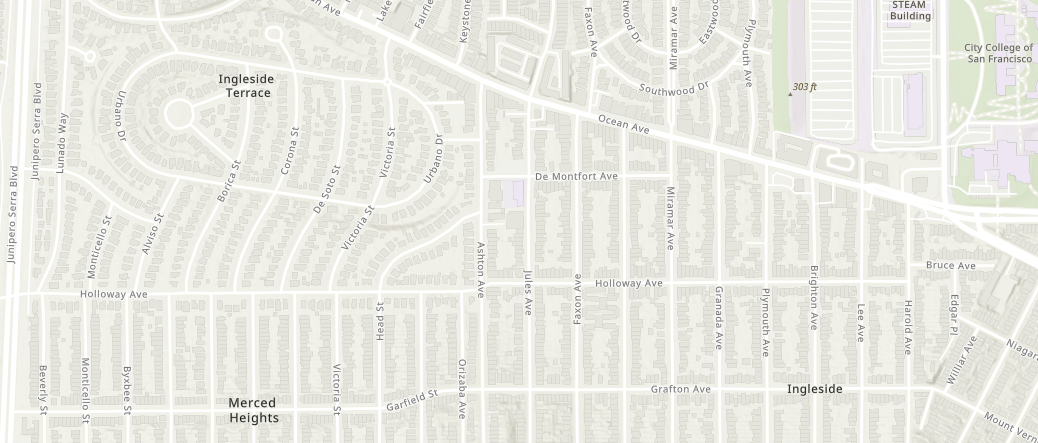
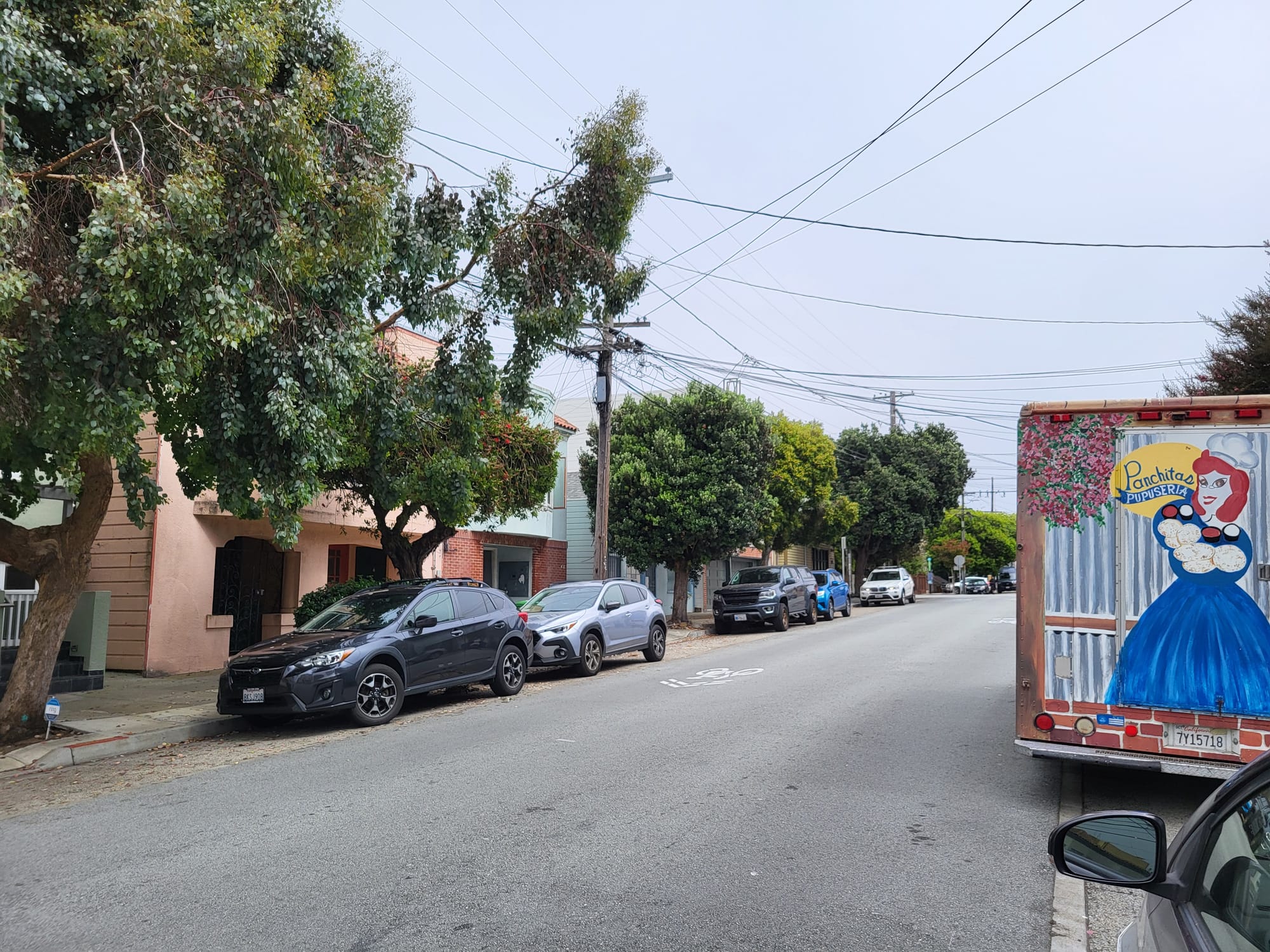
Lined with single-family homes, apartment buildings and storefronts, Ingleside’s stretch of Holloway Avenue may look like most any San Francisco residential street.
Stretching from Harold Avenue to Junipero Serra Boulevard, its two lanes are often used as a means to avoid traffic on Ocean Avenue. But the leafy street is much more than a shortcut.
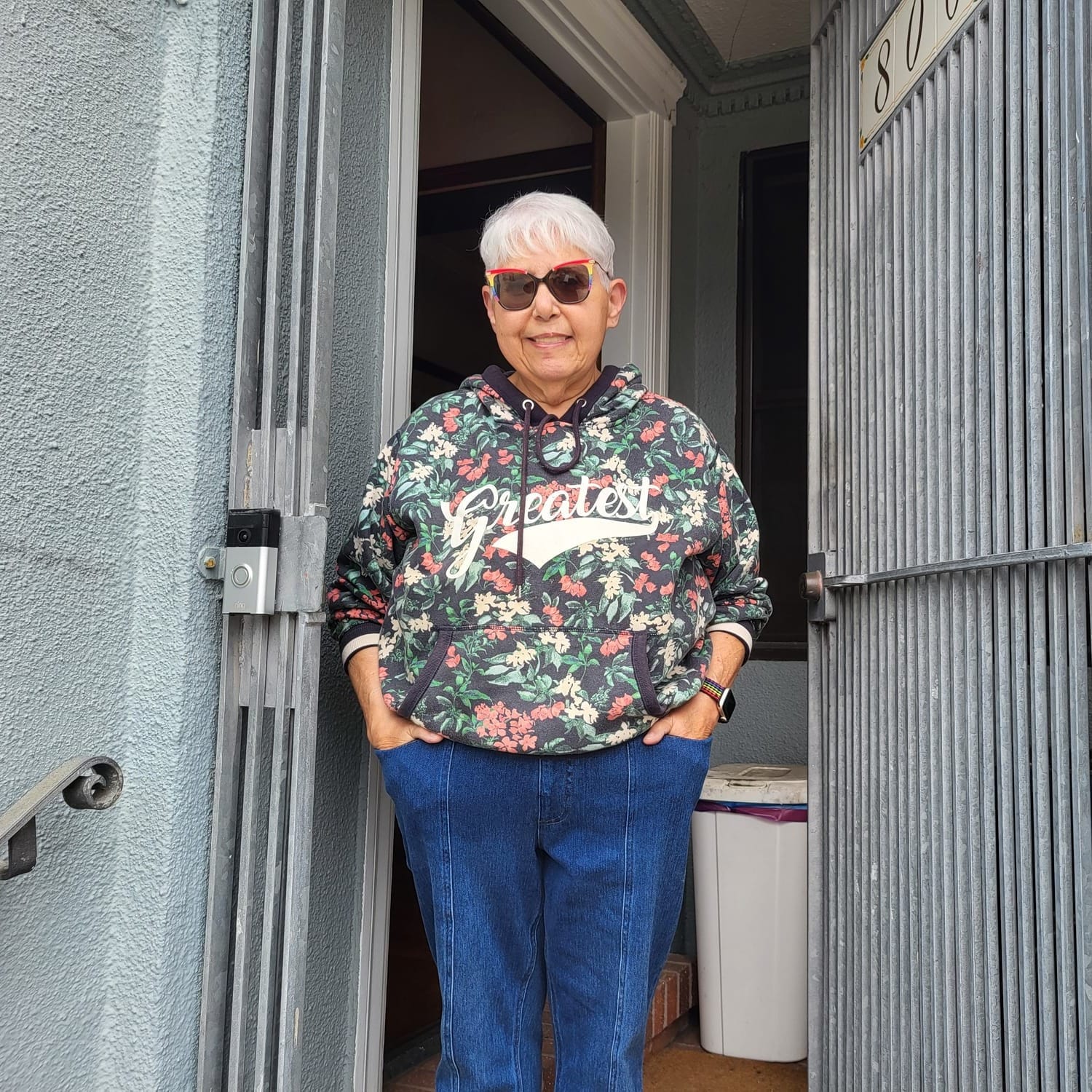
Debra McAuliffe, 72, who has lived near Jules Avenue since 1981, said the street is broken up by tax bracket. Ingleside Terraces’ is upper-middle class, and Ingleside’s is a mix of working-class and low-income residents.
“What I like is that we all seem to get along,” McAuliffe said, joking that she didn’t move there for the view. “I actually have very nice neighbors on all sides.”
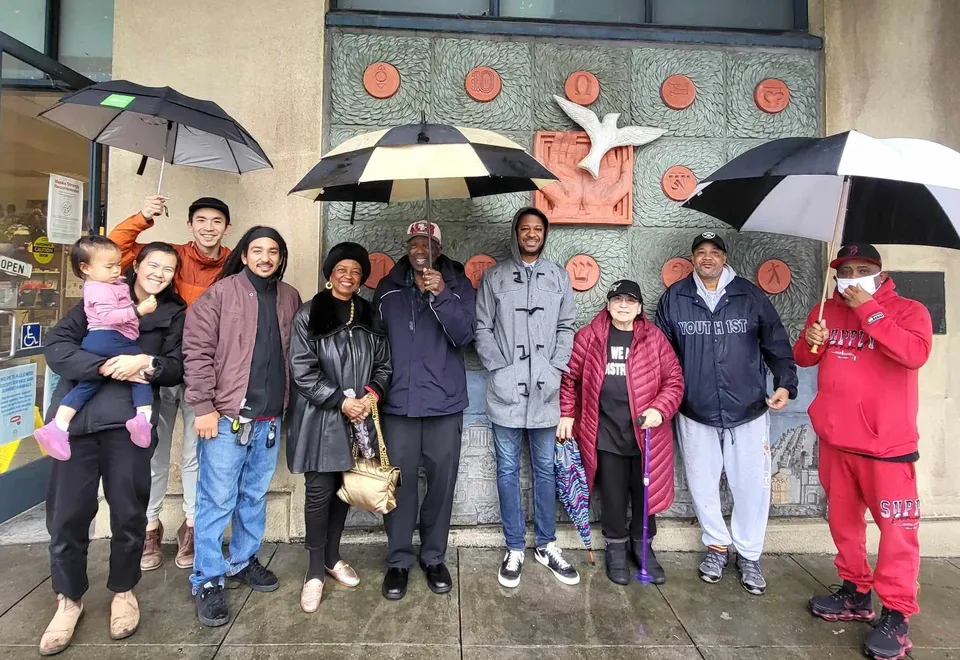
Youth 1st Executive Director Renard Monroe, 50, has lived in the neighborhood since 1996. He said there has been disinvestment by City Hall in the area as the demographics have shifted from Black to Asian.
“Historically, this area has always been low on investment, and that has continued,” Monroe said.
Newer residents find the quiet street a nice place to make a life.
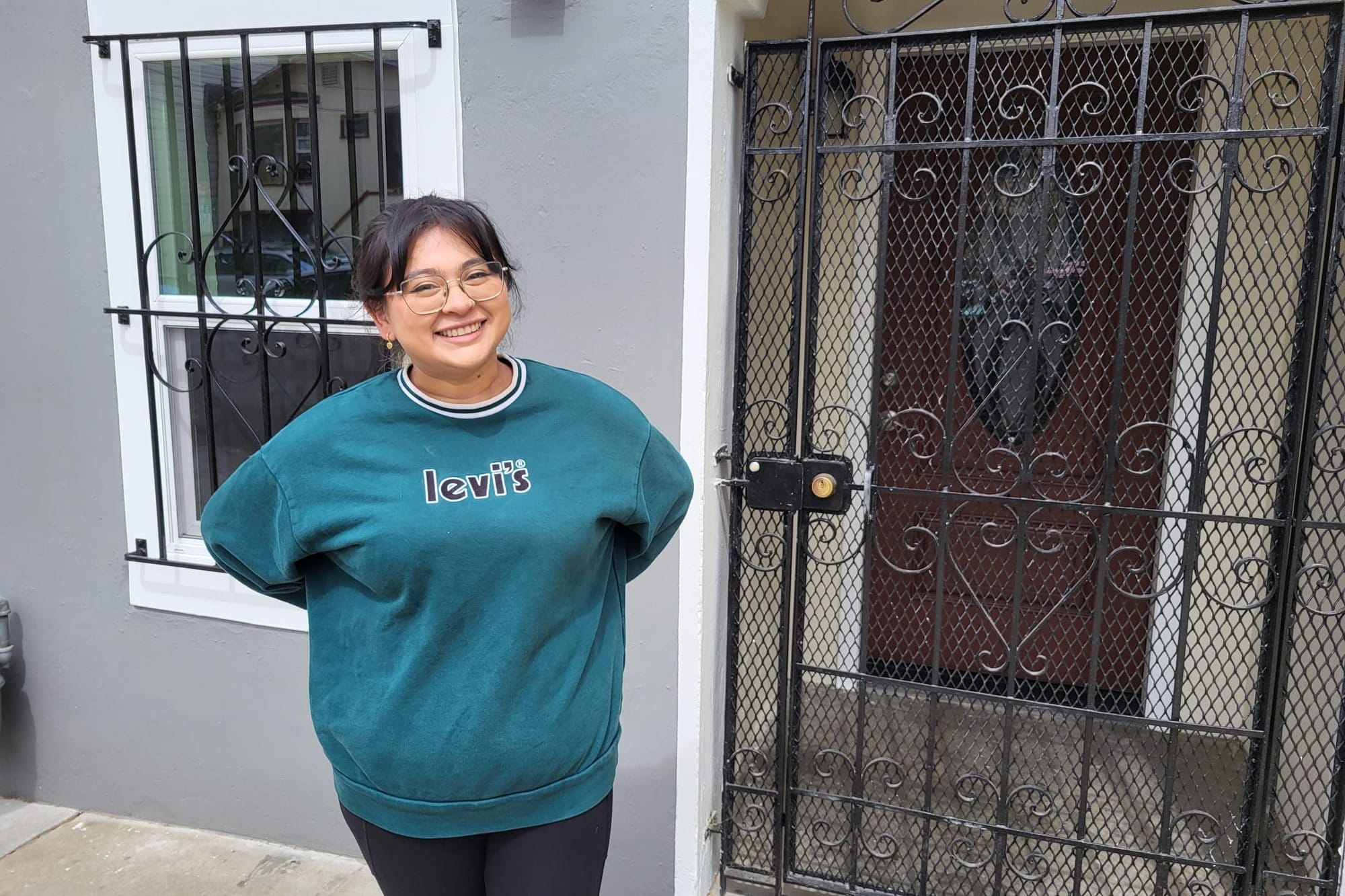
“Everyone keeps to themselves, very family-oriented,” said Genesis Gutierrez, 28, who has lived on Holloway Avenue since 2014.
Holloway Avenue is where residence park grids meet, where horses were once stabled between races, a home to multi-generational residents and one of the last pockets of African American businesses in the Ocean View-Merced Heights-Ingleside. All told, the microneighborhood is part of what makes Ingleside what it is today.
Horse Stables To Leafy Street
Holloway Avenue was first platted for residential development by Adolph Sutro, an engineer and San Francisco’s 24th mayor, in the late 1800s. Dubbed Lakeview in 1890, the masterplanned residence park didn’t go as planned. However, Ingleside was built on the street grid Sutro created, and nearly all of the street names were used. Eventually, some of the land was sold for the Ingleside Racetrack circa 1895.
“Back then, Holloway Avenue would have essentially dead-ended at a fence at Ashton, but if you could walk over, climb that fence, you would walk into essentially a slope of all these stables for the racetrack,” San Francisco Heritage President and CEO Woody LaBounty said. “We're talking about 30 stable buildings that just kind of go east-west and long.”
Ashton Avenue was originally named Arlington Avenue. But it was renamed in 1909 since there was an existing street in the Glen Park neighborhood with that name. Why it was named Ashton is unknown, said LaBounty, who was once The Ingleside Light’s history columnist.
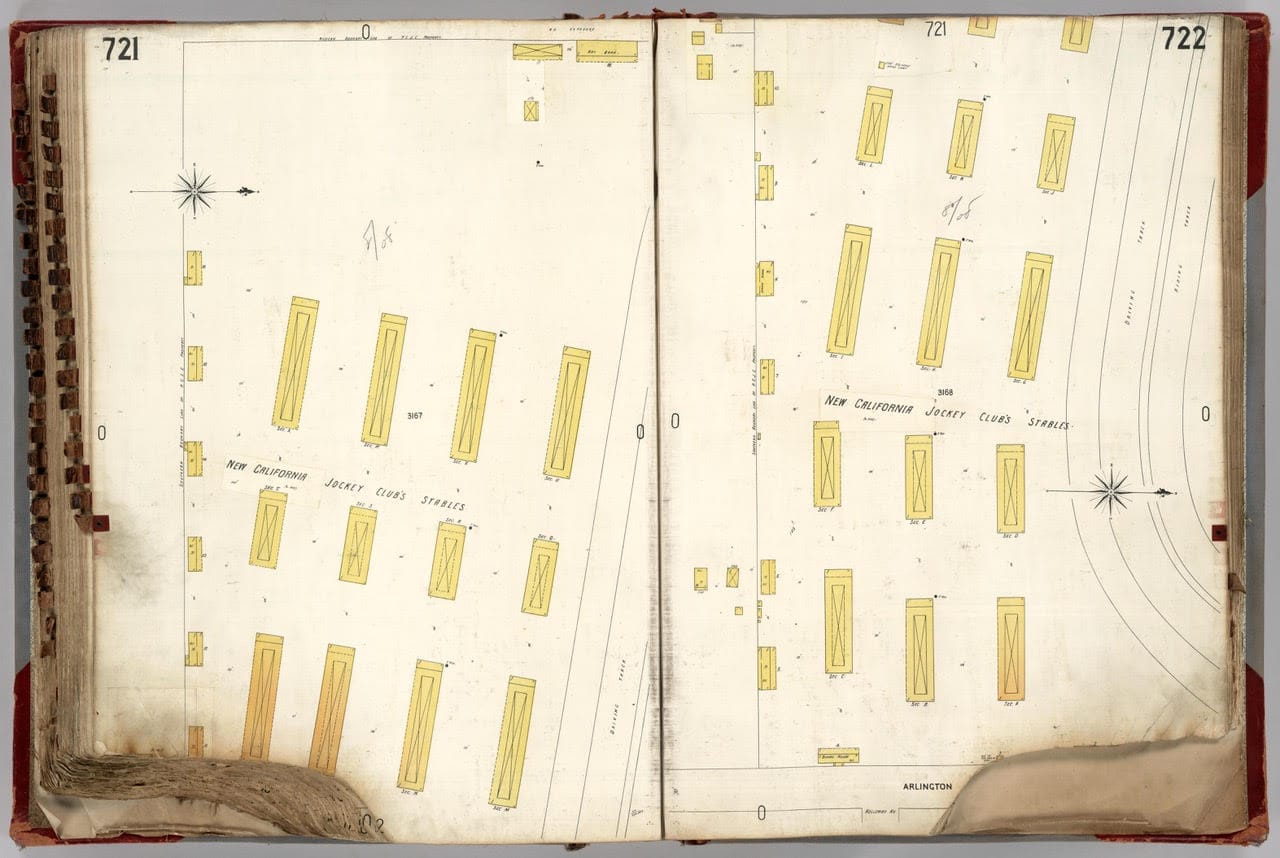
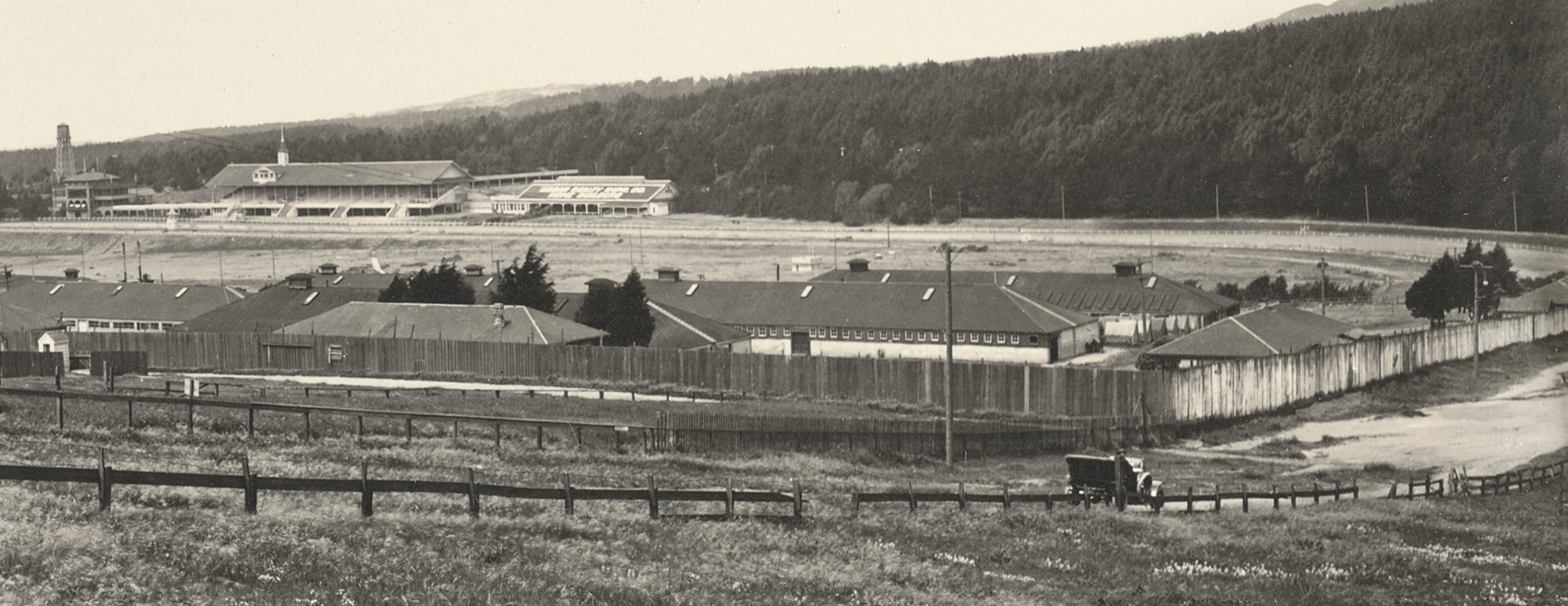
After the 1906 Earthquake and Fire, the stables became shelter for refugees from other parts of the city. The racetrack eventually became the Ingleside Terraces residence park a few years later.
Some of the oldest houses on Holloway Avenue date back to the turn of the 19th century, according to old insurance maps. From Harold Avenue to Ashton Avenue, only five lots had buildings.
LaBounty told The Light, after consulting retired architect and architectural historian William Beutner, that 1 Holloway Ave. is the only existing building that predates 1900 on the avenue. It’s a pale-yellow, two-unit Victorian standing on the corner of Holloway and Harold avenues.
Demographic Shift
As San Francisco grew, so did the neighborhood. Many Black families moved in because there were no racist restrictions like many residence parks. African Americans made up roughly 5% of the population in the OMI following World War II in 1950, and by 1970, they made up 62%, according to the 2010 OMI Neighborhoods 1862-1959 historical context statement.
Al Harris, who moved to Grafton and Granada avenues 50 years ago, has watched the demographic changes. In the 1970s, he said, there were seven to eight Black families living nearby, but today there’s only one.
Ingleside’s demographics currently consist of Asian families at 63%, with African Americans making up 6%.
“A lot of the African Americans moved over here to this part of town in the ‘50s, and then their
kids inherited the houses, but you know they weren't going to stay because the suitcase man showed up,” Harris said. “The first thing the suitcase man did was put up signs on the telephone poles that say, ‘We buy houses.’ And so he started offering these kids $450,000 cash money for the house, and because the kids weren't really invested in it, they took the money and they all moved to Oakland, Antioch and Pittsburgh.”
As the Black community dwindled, so did the Black-owned small businesses.
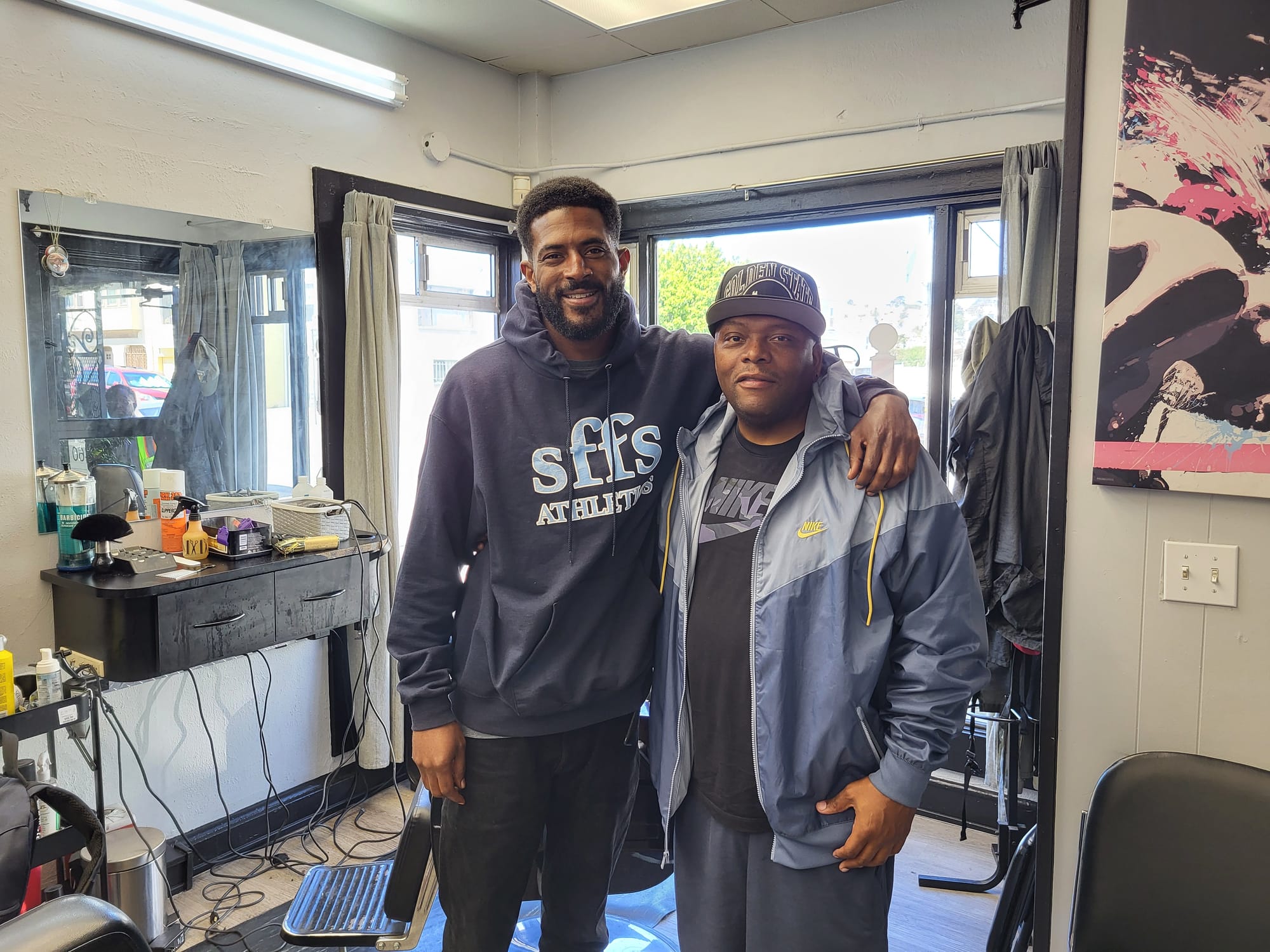
Harris recalled when there was a Black-owned market, cleaners and a cafe. Now, Tailored Cuts and Lulu’s Salon are among the avenue’s last Black-owned businesses.
“All those beauty salons, barbershops that my grandmother would go to have closed their doors,” Monroe said, adding that he went to a barbershop called Kings and Queens on Holloway Avenue.
Subtle Changes
Over the years, lifelong residents have said it hasn't changed much, minus a few tree removals, parking updates, and drug use and unhoused individuals near Brighton Avenue moving elsewhere.
“It’s good to work here,” said Tailored Cuts owner Malik Rodgers. “It’s lovely…The people is really nice. I love the people, and they got love for me too.”
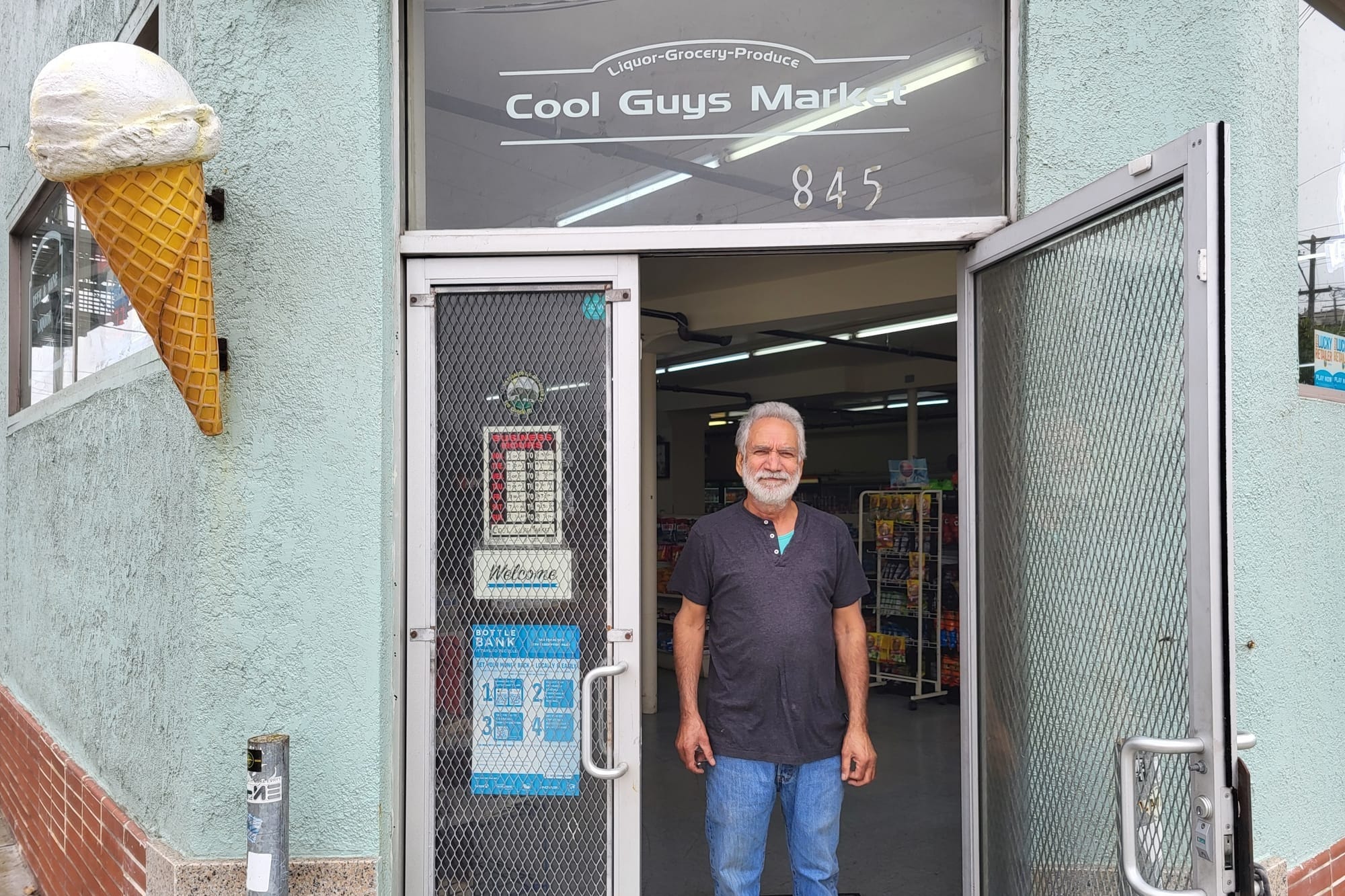
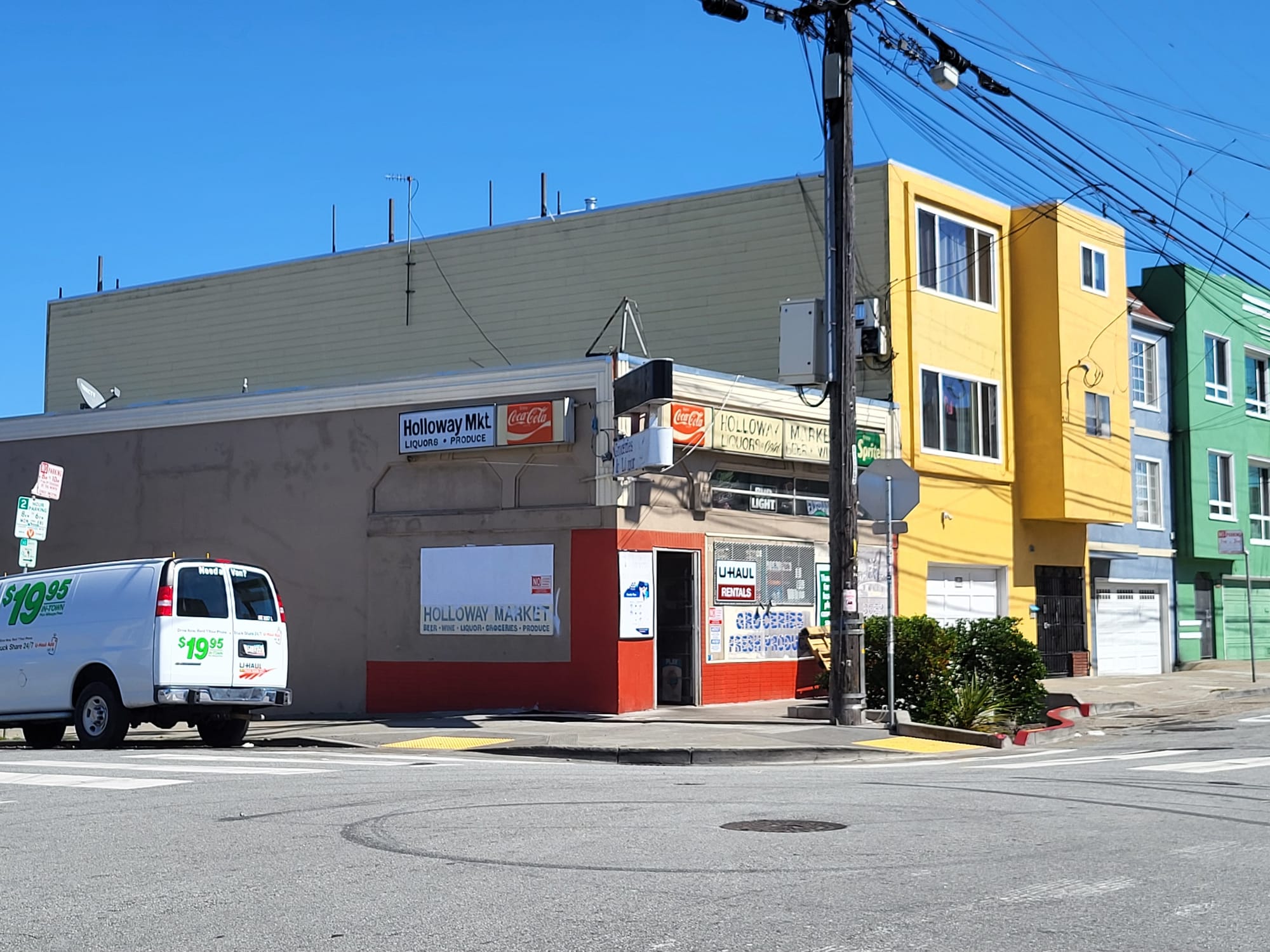
A Flower Shop’s Leo Lim and Cool Guys Market’s Dalwinder Dhillon described the street as quiet but wonderful. Holloway Market’s Edward Wahab said he has found the neighborhood to be filled with friendship and “smiley faces.”
“The walking customers are basically like locals that live in this area,” Lim said. “Most people will walk along Ocean Avenue, but they don’t really know about this little corner section.”
Yet change hasn’t always been met with open arms — at least when it comes to automobiles.
Complaints about street parking removal, increased congestion and stop-sign running were frequent.
Rodgers said some drivers regularly run the stop sign near his shop on Plymouth Avenue. He said that police giving tickets was the only solution.
Some small business owners said a decrease in foot-traffic and an increase in driving-traffic and speeding due to cars diverting to Holloway Avenue when Ocean Avenue’s 20-mile-per-hour speed limit was implemented two years ago.
Mike Huynh, who has lived on the corner of Holloway and Jules avenues for 20 years, said parking has become a challenge for his five-person, two-vehicle household. Finding parking in front of his home is no longer possible.
“With the increase of cars in the area, the parking has almost become nonexistent,” Huynh said, adding that he used to be able to play football in the street when he was younger.
Others expressed frustration over parking, saying it’s a battle to find parking after 5 p.m. and how some spots were replaced by the implementation of state’s daylighting laws or by bioswales, the garden filled bulbouts that were installed as part of the Holloway Green Street project in 2017 to aid in traffic calming and send rain water to the Lake Merced to replenish the watershed.
Fernando Gomez, who has lived on Holloway Avenue for four years and owns Expert Pet, said the area is ideal. He enjoys the accessibility to his favorite spots on Ocean Avenue and the quick motorized-bike ride to his pet supply store.
“It’s a nice little neighborhood,” Gomez said.


