


A novel plan for speeding up public transit and improving pedestrian and bicyclist safety along Ingleside’s Ocean Avenue and nearby streets is slowly but surely advancing.
In the two and a half years since the Ocean Avenue Mobility Action Plan was approved, most of its five projects have started or been funded to a degree. While some, such as the K-Ingleside Rapid Project, would have happened anyway, the plan integrated improvements that the community wanted, such as flashing beacons at unsignalized intersections.
The San Francisco County Transportation Authority launched the planning process in October 2021 at the request of District 7 Supervisor Myrna Melgar, who allocated $300,000 for the work.
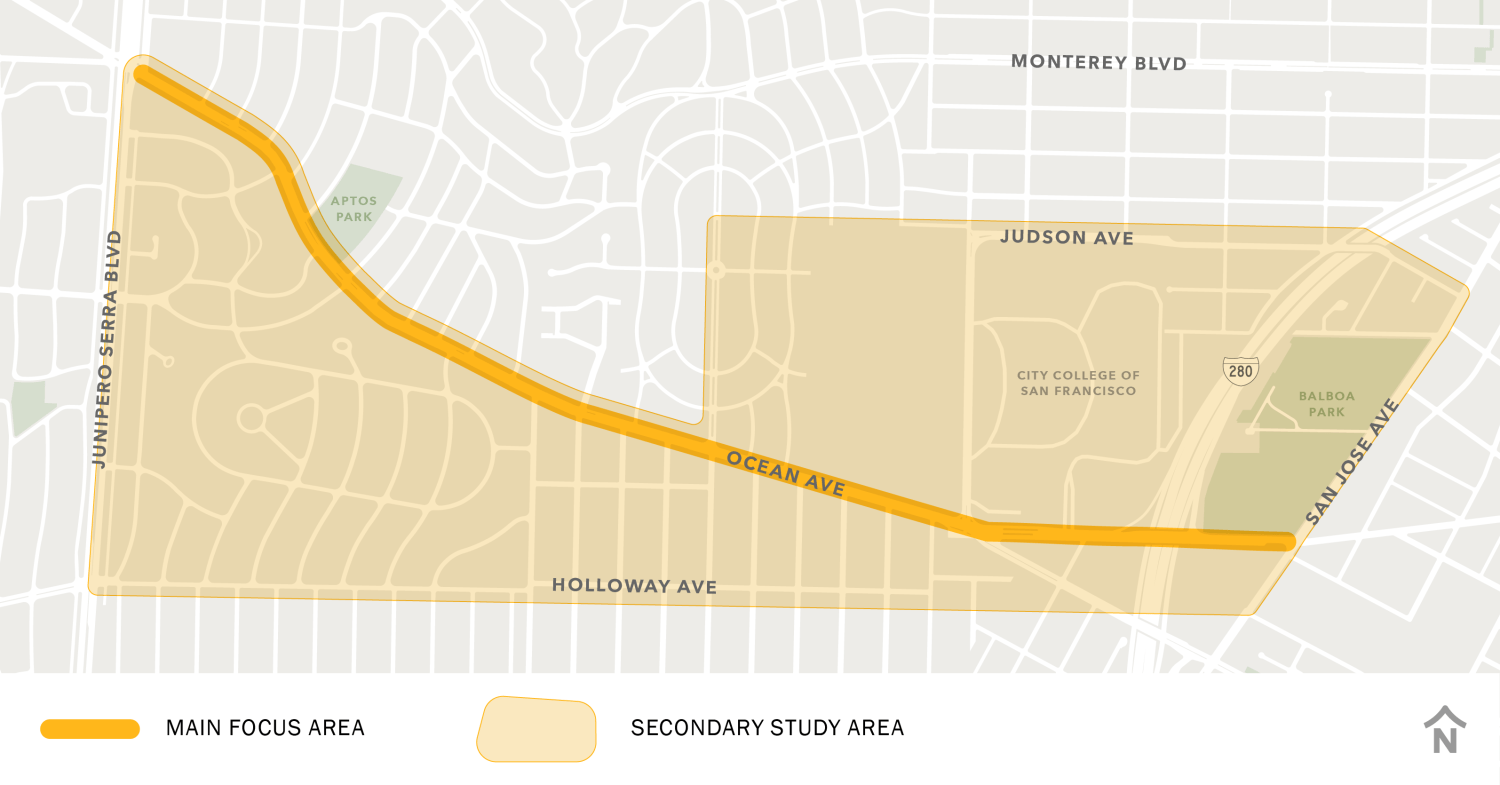
The planning process involved a facilitator convening 14 neighborhood stakeholders along with transit planners to sift through 27 transportation studies of the area and choose the most-needed projects.
The group selected five projects: the K-Ingleside Rapid Projects, Ocean Avenue pedestrian safety improvements, Ocean Avenue speed management, street reconfiguration by City College and an east-west bike route on Holloway Avenue.
The transportation authority board approved the plan in June 2023. Totalling an estimated $48.3 million, about $14 million remains to be secured.
The San Francisco Municipal Transportation Agency is the lead for nearly every project proposed in the plan. The transportation authority staff identified possible funding sources for each project that the SFMTA could tap into.
K-Ingleside Rapid Project
Estimated Cost: $34.1 million
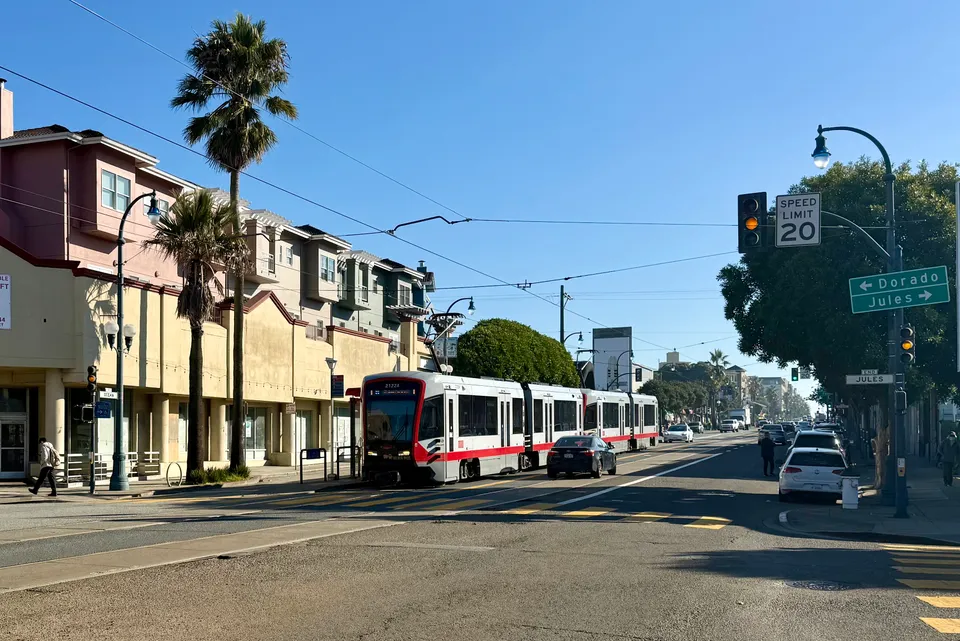
Designed to increase K-Line passenger capacity and speed up travel times, the K-Ingleside Rapid Project is the most significant one in the action plan and the only one that’s made meaningful progress — until this January.
Approved and funded in March 2024, many of the project’s elements — from longer boarding islands to left-turn restrictions — have been implemented as part of its “quick-build” phase. Red transit-only lanes stretching from Junipero Serra Boulevard to Lee Avenue that were set to be installed starting Jan. 12 have been put on hold after merchants organized by the Ocean Avenue Association opposed the lanes. A working group led by a professional mediator will help determine a compromise.
The project allows the SFMTA to resume two-car train service. The agency is studying how to allow for two-car boarding at Balboa Park BART Station. Presently, passengers are forced to the front car on two-car trains, which adds commute time.)
Other improvements that have been completed include the retiming of traffic signals to give trains more time to cross the intersection and the removal of two transit stops — Cerritos and Westgate — that had lower ridership. New loading zones have also been added to reduce double parking.
The project is fully funded by Prop. B (population-based funding), a regional and state grant. Local transportation sales tax (Prop. L) also supported earlier planning for the project.
Pedestrian Safety Improvements
Estimated Cost: $2.5 million
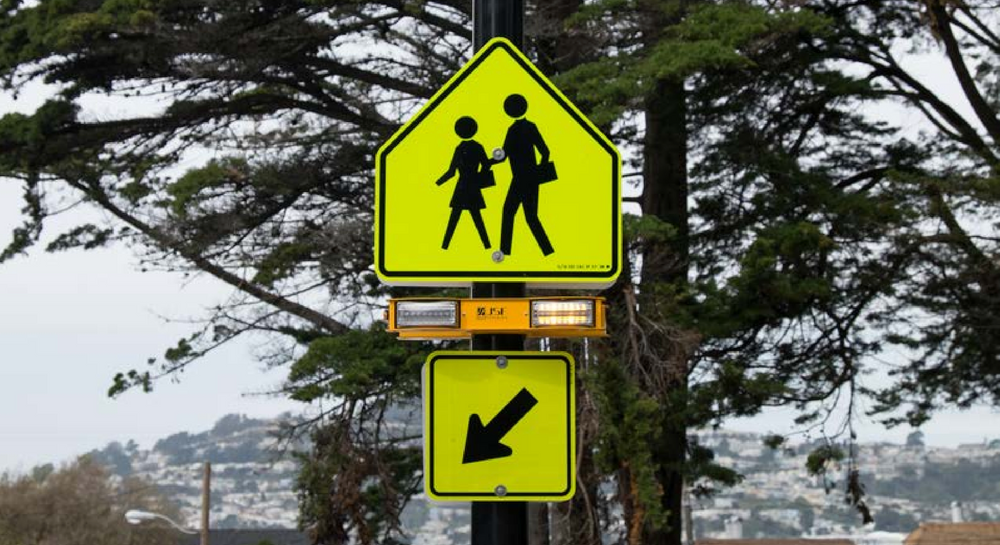
The Ocean Avenue Pedestrian Safety Improvements project would install flashing beacons at the unsignalized intersection of San Benito Way, Manor Drive and Granada Avenue, pedestrian bulb-outs, left turn restrictions and ADA-compliant curb ramps with audible signals.
This project will be implemented as part of the SFMTA's K-Ingleside Rapid Project’s ongoing quick-build phase and full construction phase in 2027.
SFMTA spokesperson Michael Roccaforte said the action plan-recommended flashing beacons will be installed this fall as part of the quick-build phase.
During full construction, the project will add five pedestrian bulbs, replacing the quick-build painted safety zones.
Ocean Avenue Speed Management
Estimated Cost: $2.9 million
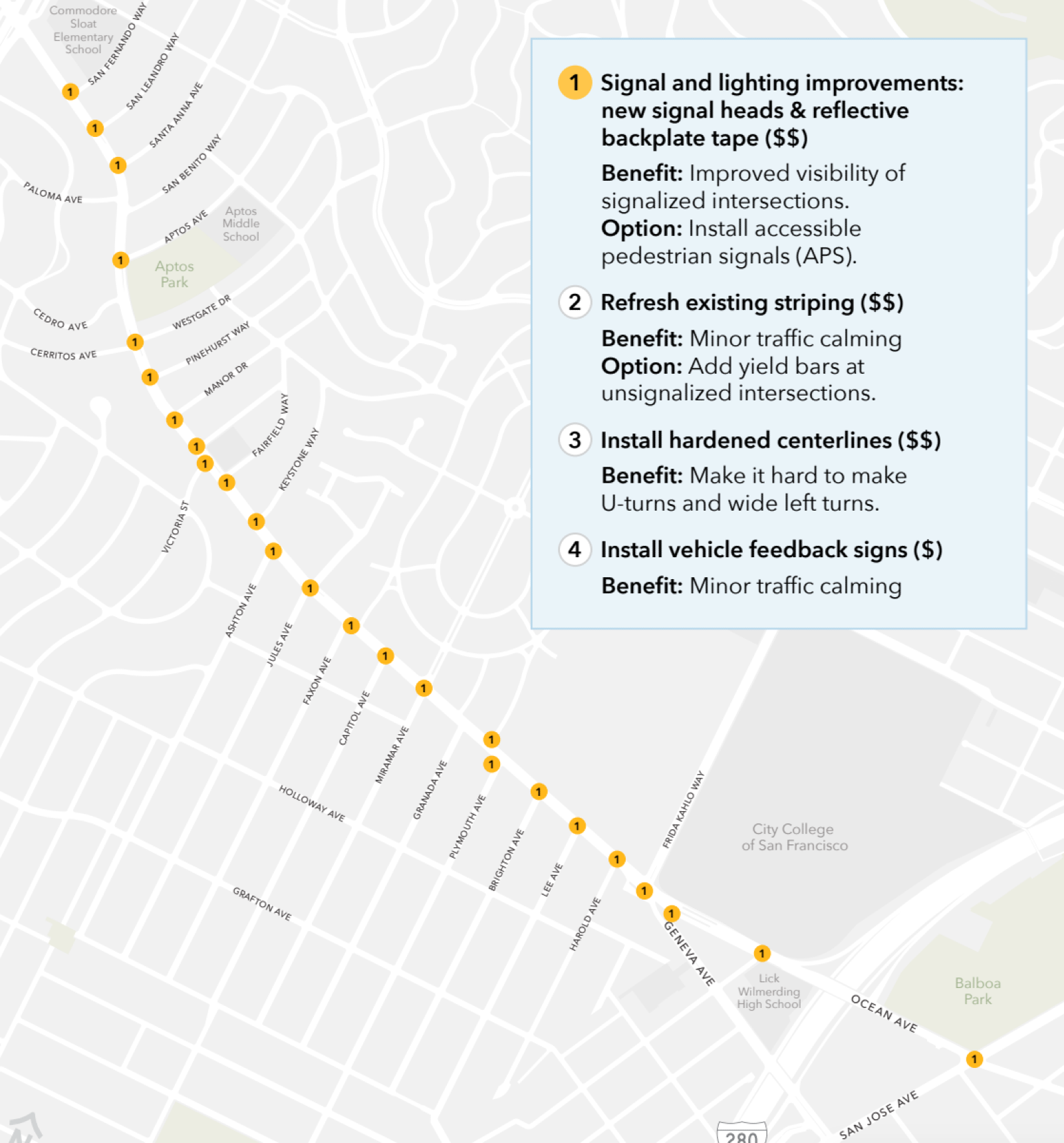
The Ocean Avenue Speed Management project aims to make traffic signal upgrades — larger signal heads, backplate reflective tape — to improve visibility at intersections and install traffic signal head visors to limit the visibility of signals down Ocean Avenue.
Some of its improvements to slow vehicles down are included in the K-Ingleside Rapid Project, namely a “road diet” created by the red transit-only lanes.
Other project elements include extending the median islands, which Roccaforte said will act as a hardened centerline. The action plan states that hardened centerlines will help prevent drivers from making U-turns and wide left turns.
Other measures recommended included installing speed feedback signage to alert drivers how fast they are driving. Roccaforte said the speed feedback sign was not funded and did not say if the agency was pursuing funding for the signage.
Upgrades for reflective backplates on signals and upsized signal heads will need separate funding, according to the transportation authority.
Shared Bike and Pedestrian Path
Estimated Cost: $8.4 million
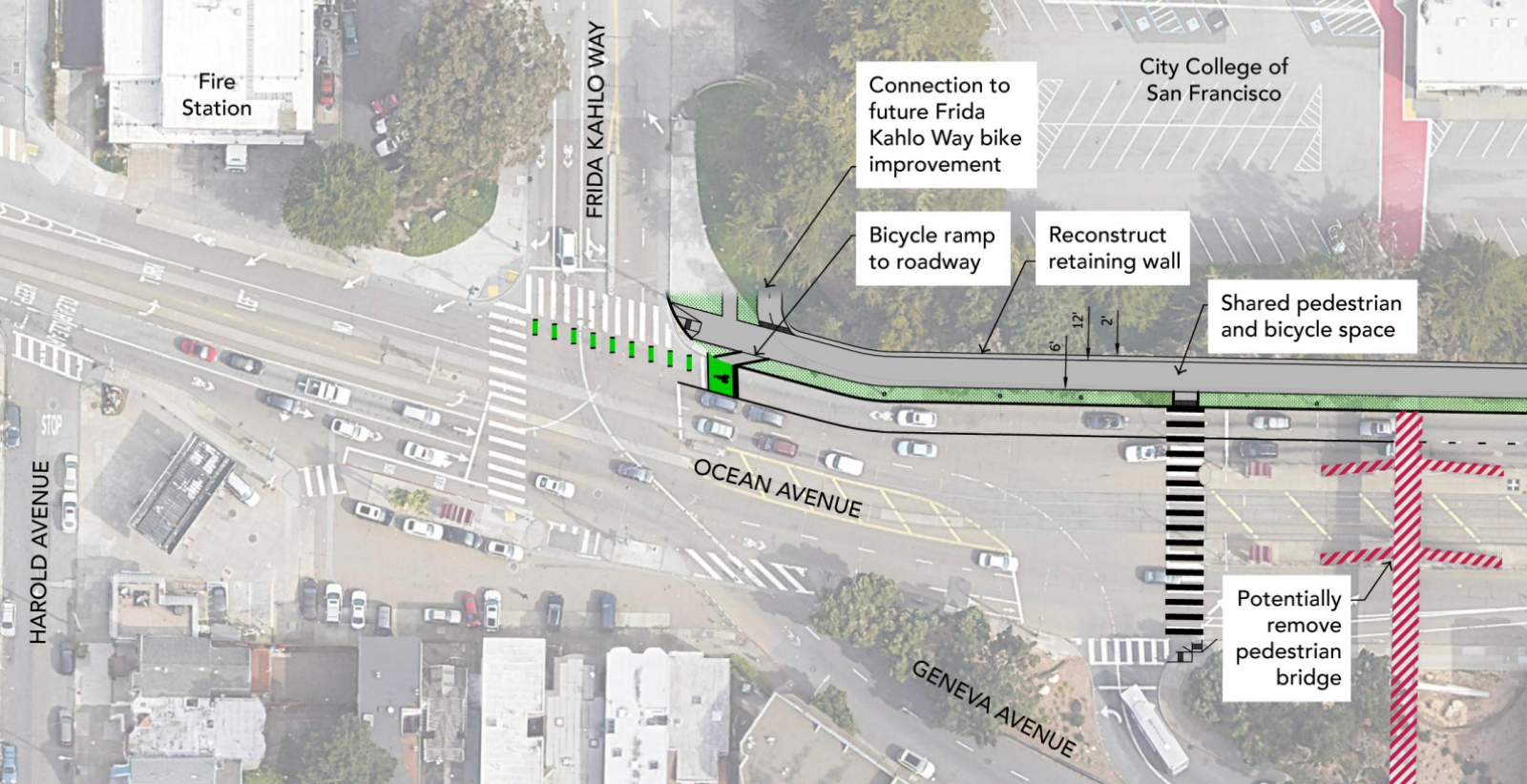
The Ocean Avenue Shared Bike and Pedestrian Path project would remove the pedestrian bridge that crosses Ocean Avenue, connecting Geneva Avenue to City College of San Francisco, and move the college’s Ocean Avenue retaining wall to create space for a shared pedestrian and bike path.
In December, the county transportation authority approved $237,000 in previously allocated Prop L sales tax Neighborhood Program funds to advance a geotechnical study of the area.
The study will provide engineering guidance and cost estimates for relocating the retaining wall and identify implications for the pedestrian bridge. Once completed, city agencies can design the bike and pedestrian path.
The transportation authority plans to apply for funds from the Caltrans Sustainable Transportation Grant program for the design work with community outreach.
The project dovetails with the transportation authority’s work to improve the area while rebuilding the freeway off-ramp as part of the Interstate 280 Ocean Avenue Off-Ramp project.
Holloway Avenue Bike Connectivity
Estimated Cost: $342,000
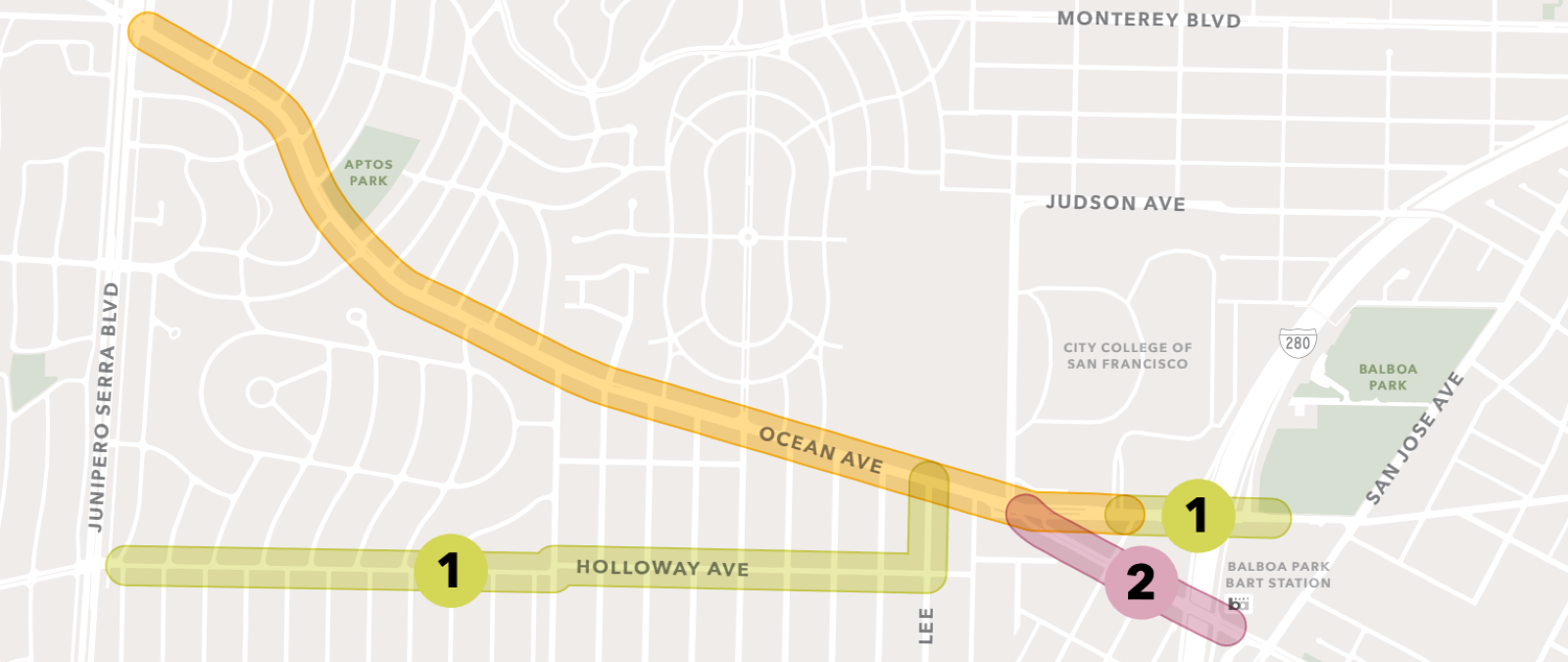
The Holloway Avenue Bike Connectivity project would create an east-west bike route between Balboa Park Station and Junipero Serra Boulevard, primarily using Holloway Avenue.
The action plan divides the route into four segments and proposes design recommendations for each part, some of which are meant to improve pedestrian safety. Proposed improvements range from left-turn boxes for bicyclists, green bike lanes and sharrows, speed humps, traffic diverters, traffic circles and pedestrian safety zones.
The SFMTA's Biking and Rolling Plan, which was adopted last year, includes this recommendation to create a Slow Street on Holloway Avenue to provide a bike connection between San Francisco State University and City College of San Francisco, according to the county transportation authority. An attempt to make the stretch of roadway a Slow Street in 2020 had been thwarted.
“The Slow Street Program is not installing new Slow Streets at this time, as they are focusing first on ensuring that the existing Slow Streets meet standards,” said Brittany Chan, a spokesperson for the transportation authority.
She added that the SFMTA is looking to improve bike wayfinding to connect Frida Kahlo Way and Ocean Avenue to Holloway Avenue, as well as further points west in the bikeway network.
The project will be funded by the SFMTA, “and new signs should be implemented sometime in 2026,” Chan said. “A new connection to Lee from Holloway remains a possibility once the street network for the reservoir project is built out.”
Jerold Chinn provided additional reporting.


