

Needless sewer flooding infuriates Greg Braswell.
It’s not so much the smelly brown water surfacing in basements and clogging roadways, although that is contemptible to Braswell. It’s about what it all means about good government and smart planning.
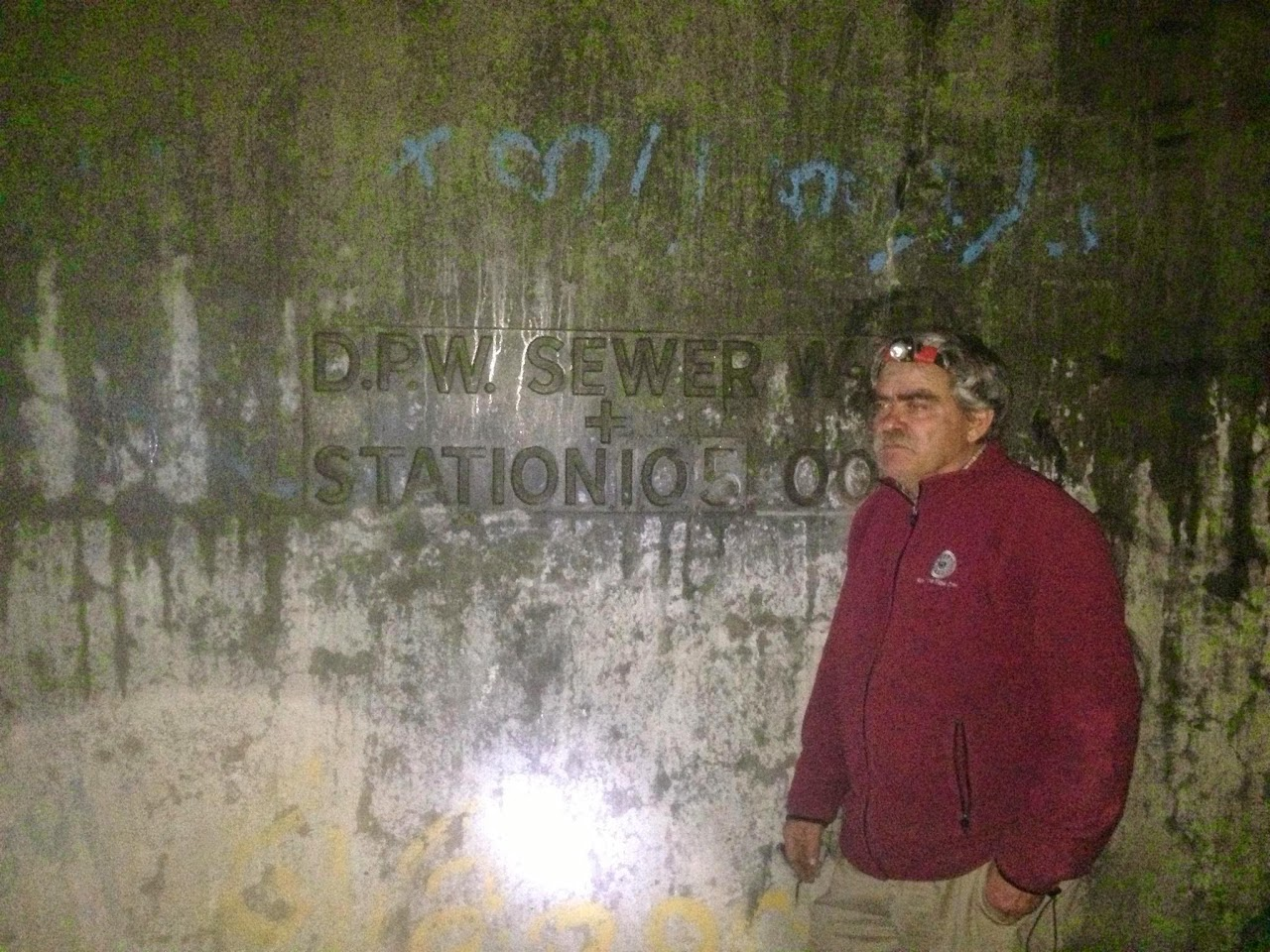
Five years after retiring from a 21-year career as an IT manager in charge of mapping the city’s combined stormwater and sewage system, Braswell, 66, now spends time when he’s not boating or traveling advocating for a just sewer system.
“A substantial portion of my life, even after I retired, was very focused on the sewer system master plan,” Braswell said, noting the work he did to build the city's hydraulic model. “My expertise was very rewarding to me. It's the kind of technocrat kind of thing that I was good at. I’m very proud of that.”
The Pomona, California native has had many careers. After college, he was a psychiatric nurse, served in the Coast Guard and volunteered as a firefighter for the Healdsburg Fire Department, where he eventually was employed as part-time staff and created maps for fire departments in Northern Sonoma. That assignment led Braswell to digital mapping called Geographic Information System and scored him a job in 2000 with the San Francisco Department of Public Works Bureau of Engineering.
Braswell merrily managed the mapping project, dubbing himself a local sewer historian along the way. But things changed in October 2021 after he became intensely frustrated by flooding of the Marina neighborhood. It had been too preventable, in his opinion, so he retired in protest.
Braswell’s passion for sewer infrastructure remains strong. He joined the volunteer group Solution Not Sandbags, working alongside its members to bring attention to neighborhoods across the city, like Cayuga Terrace, Mission and Ingleside Terraces, where flooding causes harm to residents and business owners. He assists them with obtaining documents through public records requests and then helps people understand them. It was all behind the scenes until this year.
 Casey Michie
A 2021 order from the California Regional Water Quality Control Board finding the sewers “cannot convey or contain all wastewater and stormwater” during heavy storms was a major victory, he said. Through his work with the loosely organized group Friends of Mission Creek, he has helped the environmental justice nonprofit SF Baykeeper with a lawsuit against the SFPUC for alleged discharge of untreated sewage and trash into Mission Creek and San Francisco Bay.
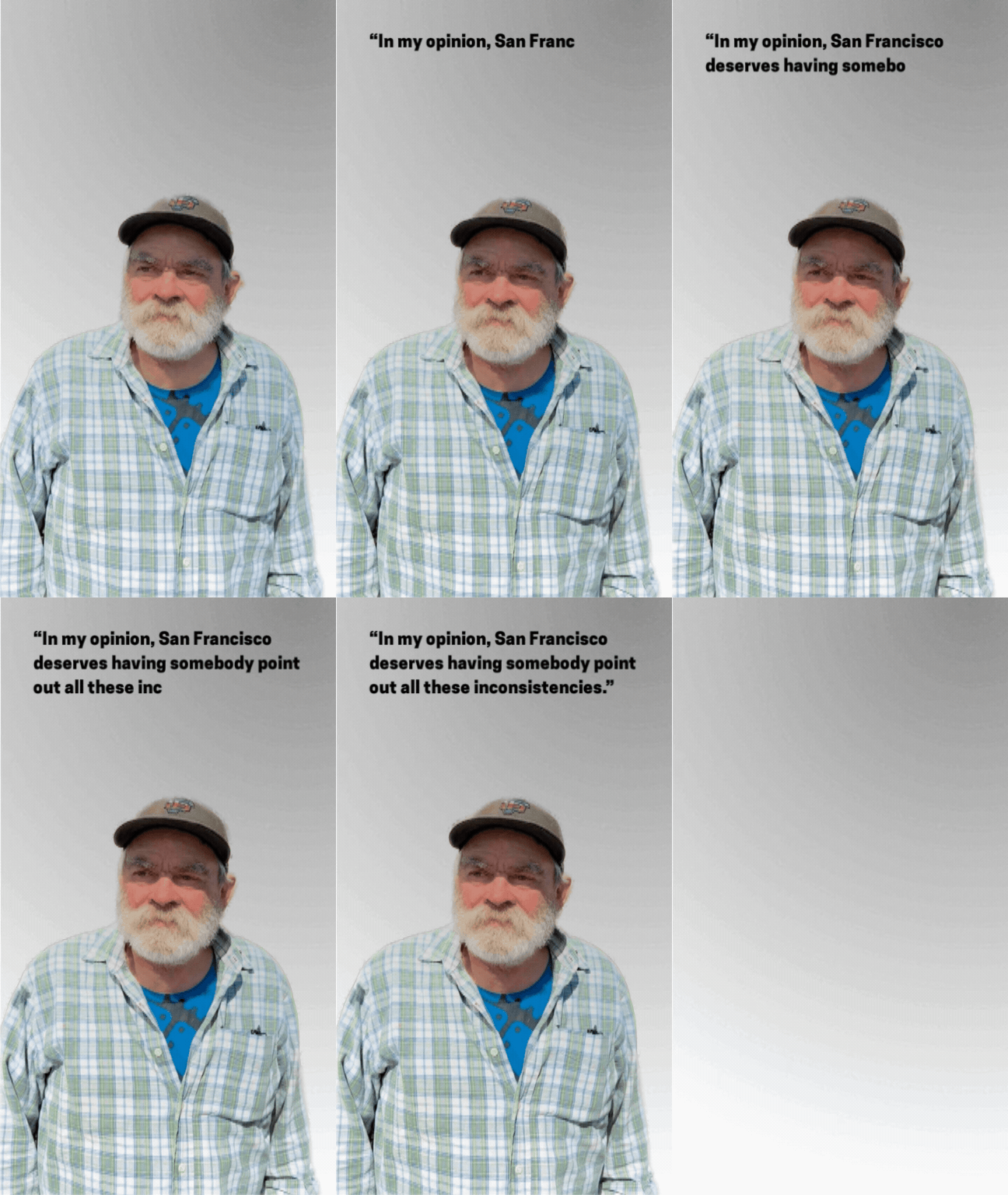
“In the last five years, if nothing else, it has entertained me,” Brawsell said. “I'm retired. What am I going to do? I might as well be a pain in San Francisco's ass. I mean, there's an entertainment value, if nothing else. In my opinion, San Francisco deserves having somebody point out all these inconsistencies.”
The Ingleside Light caught up with Braswell to hear his insight on the city's sewers.
This interview has been edited for length and clarity.
What does every San Franciscan need to know about the city’s stormwater and sewage system?
First and foremost, it's that they're combined. The stormwater and the sewage are in the same pipes, and there are some interesting advantages. It means that we don't have to pay for two pipes. We only have to pay for one. Up at the higher end of the system, that's a pretty good cost savings, but when you get down lower down into the trunk of the tree, so to speak, you really have to have very, very large pipes to handle the water that is coming from all the small pipes. When it's raining, those pipes carry both sewage and stormwater.
Another very important thing, especially in this Ingleside area, is that these streets are very steep, and what that means is that the water is going very fast. I tell people that the water in the pipe under the street is going at about the same rate as a bicycle coasting down the street so if you're on 18th Street up at Twin Peaks and you're going all the way down to Folsom Street, if you don't stop at any signals or stop signs and you just coast, that's how fast the water's going underneath there. If you look at some of the streets around here in Ingleside, you can imagine how fast you go on a bicycle. What that means is that that water has a lot of energy, and when it gets to the bottom of the hill, if it has to make a sudden turn or, you know, change directions, it doesn't change directions very well. Right here in Ingleside, not even talking about the big flooding, there's quite a few places where during a really big storm, even some of the smaller storms will start popping the manhole covers and shooting little geysers out just from that high energy. That's something people don't think about much, but when you think about how fast you're going on a bicycle, that water has a lot of energy.
You've been studying the city’s sewer system, obsessively even. What's it going to take to fix its problems?
One of the biggest frustrations I have lately is that for the last 15 years, San Francisco has refused to look at the combined problems we have in a bigger unified picture. When we're solving old sewers that are failing, when we're solving flooding, when we're solving treatment plant problems, we did the master plan, and that made me think at that level. All these things together, how these things interact, and where you touch one thing, it's going to cause other problems. You have to think about the problems. But since 2010, 2011 and 2012, definitely, San Francisco's backed away from that, and it's just a little Dutch boy putting fingers in the banks. They're solving one problem at a time, and every time they do, they create a new problem for themselves down the road. Most of the flooding projects for the cleanup and abatement order are more problematic downstream than they've been. There will be a lot of flooding on Industrial Street, east of 101, east of Bayshore, because of the design. There will be problems with air in that tunnel. There's going to be more problems with flooding around the Mission Bay area because of the way that they're bringing the water down and where they're putting the water. They're actually creating more problems, and it's very sad to me because they look at one single problem, measuring it one way. They're not really doing a good job of seeing how it creates more problems downstream.
What is San Francisco’s biggest issue preventing solutions?
The single biggest problem San Francisco has is too much money because it’s a target both internally and externally. Consulting agencies, contractors and staff, the politicians too, see such a huge pot of money that they're more than happy to redirect some of it. It has made them very lazy in their thinking. I think that if San Francisco had half the median income, it would have much more effective solutions only because it would have to come up with solutions that were more cost effective, and I think that the money in San Francisco, and I don't mean just there's the rates, the rate payers, the ability to raise rates ad nauseum, the citizens really are themselves so well off that nobody's really complaining about tripling and tripling the sewer rates. The politicians see that and are more than happy to find ways to use that money for things other than solving problems. That also has created a big marketing question, and so to justify a lot of this, they have to make it look really nice and pretty, and it has created a lot of false impressions of how we see the funds, how we define the funds. But at the end of the day, I'd say the single number one problem is that San Francisco has too much money.


